USA Made Router Bits, used to Drill Out Pilot Hole. Strong and Durable Bits, Sold in Packs of 5. Bits Priced per Pack.


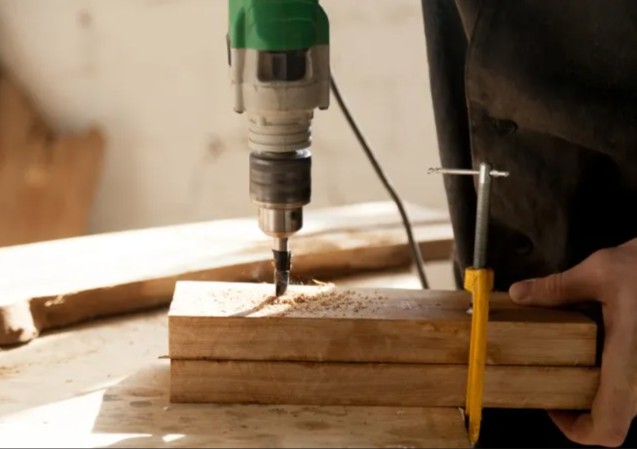
Pilot Hole Router Bits are made in the USA and available in High Speed, sized 1/4″ or 3/8″ and Carbide, sized 1/4″, 3/8″ and 1/2″. For reference, there are five bits per package; however, they are sold individually and priced per EACH.

A pilot hole is a small-diameter hole that is drilled before the main hole. It serves as a guide for the larger drill bit and helps to ensure accuracy and precision in the drilling process.
There are several benefits to drilling a pilot hole before drilling the main hole. One of the main benefits is increased accuracy. The pilot hole acts as a guide for the larger drill bit, helping to ensure that the main hole is drilled in the right location and at the right angle. This is particularly important when drilling into delicate materials or when drilling in tight spaces where precision is crucial.
Another benefit of using a pilot hole is that it can help to prevent the material from splintering or splitting. When drilling into certain materials, such as wood or plastic, the main drill bit can cause the material to crack or break. By drilling a pilot hole first, the material is prepped and less likely to splinter when the larger drill bit is used.
So next time you need to drill a hole, don’t forget to start with a pilot hole.
A high-speed steel (HSS) pilot hole router bit and a carbide-tipped pilot hole router bit differ mainly in material composition, hardness, durability, and performance.
1. Material and Construction
2. Cutting Performance
3. Durability and Lifespan
4. Cost and Value
USA Made Router Bits, used to Drill Out Pilot Hole. Strong and Durable Bits, Sold in Packs of 5. Bits Priced per Pack.
| Dimensions | N/A |
|---|---|
| Size | 1/2" Carbide, 1/4" Carbide, 1/4" High Speed, 3/8" Carbide, 3/8" High Speed |


